
Texas policymakers are growing increasingly concerned about housing costs in the state. As people flock to Texas, affordability for homebuyers, renters, and businesses has become the topic of national conversation.
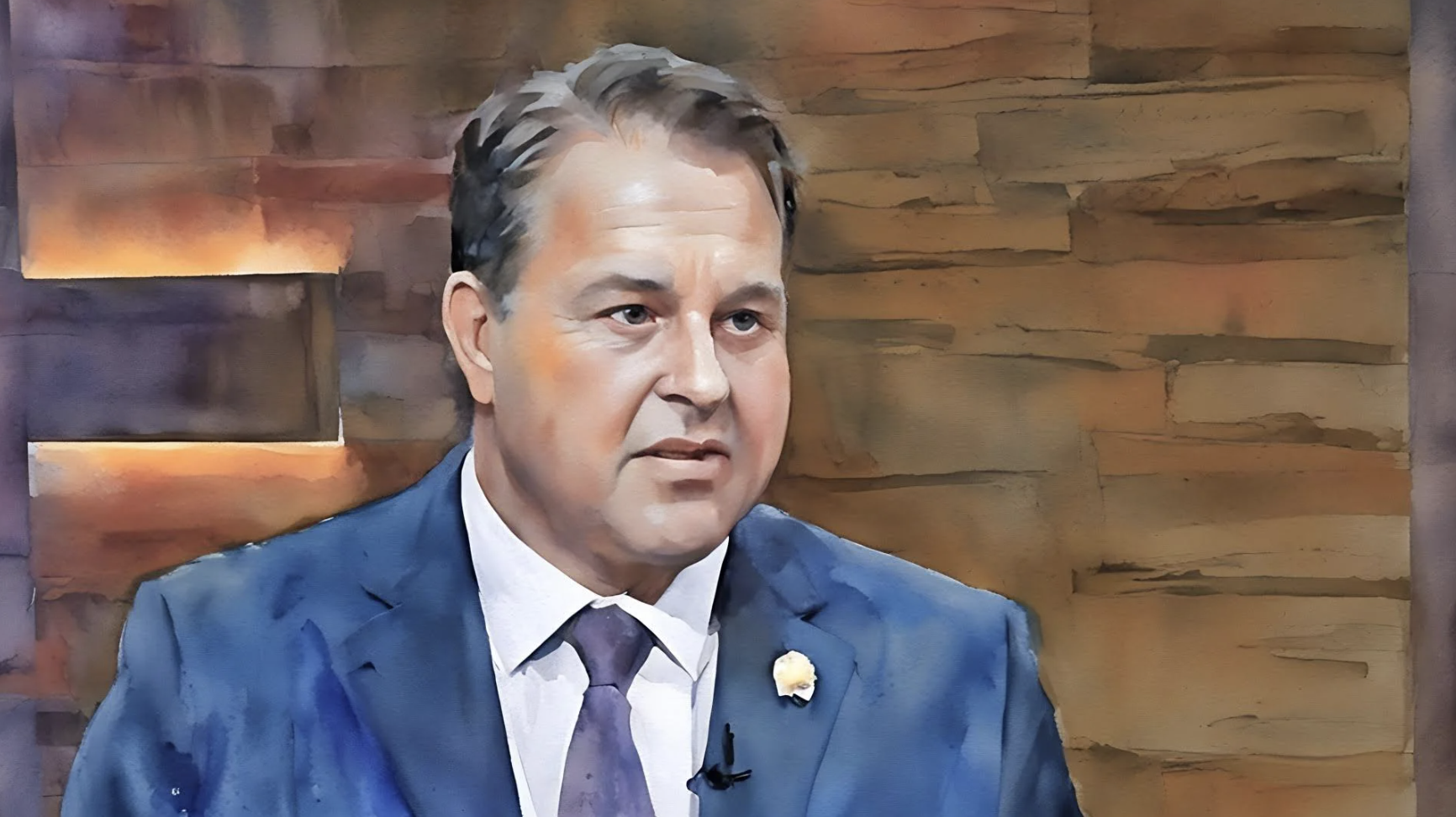
Tray Bates, vice president of governmental affairs for Texas Realtors, says pressures are mounting from persistently high interest rates, local development rules, and the challenge of building enough homes fast enough.
However, Bates says Texas has cooled from the frenzy of the pandemic. Prices have dipped slightly from their peak, and homes are staying on the market longer. “It shows a slight tick down of 0.9%. So that tells us that we’re basically past the blowing and going hot market,” he says.
Buyers now have “a little bit more control,” say Bates, though the state is still adding about 1,500 new residents a day.
Interest rates remain a major factor, and many homeowners hesitate to move because they hold mortgages at 4% or below. “They’re trapped in these homes now,” he says. The hesitancy to buy at a higher rate reduces the inventory that a balanced housing market needs to stabilize prices.
Another issue that has been discussed is short-term rentals. Bates says it is typical for people to point to short-term rentals in a community as a contributing factor in rising home costs, but they are often overstated as a cause. “It tends to be the boogeyman.”
Bates says property owners have the right to rent their properties, and points out that short-term rentals make up a smaller share of the overall market, with the exception being high-tourism areas of Texas.
Bates is more concerned about shifts—particularly in Austin and other urban centers—toward a majority-renter population. Making sure purchasing a home is attainable for most Texans is the major problem lawmakers need to address. “The sooner we can get people into homes, the better they can build wealth,” he says.
High property taxes are the most controversial issue in Texas housing, according to Bates. He says the annual spike in appraisals and bills is a universal frustration, and that “everyone’s hit by it.” Texas Realtors support homestead exemption expansions and the continued “buy-down” of school property taxes. He agrees that removing costs helps homeowners but warns that replacement revenue must be viable. Moving directly to a higher sales tax would be unworkable. “That would probably be about a 28% sales tax,” he says.
Bates cautions against strict appraisal caps like California’s 1% system. New buyers end up paying far more tax than long-time neighbors owning the same type of home. “My tax basis is going to be much lower than yours… and it’s the same house,” he says.
Another major focus of Texas Realtors is examining permitting delays, development fees, and the cost of bringing new lots to market. “If you make it more expensive, more time to get a permit, then you’re adding cost,” he says. Lot prices dictate the price of the homes placed on them because builders rely on global financing markets. Minimum-lot-size reforms can help in targeted areas, says Bates.
Bates also points to infrastructure needs. Outlying communities face limits on water and transportation, slowing development even as demand rises. Investments in water systems and broadband, he says, will give families more options.
Looking ahead, Bates says Texas Realtors are building their 2025-26 strategic plan, a process that includes member surveys, expert testimony, and committee debates. The association uses that input to shape its legislative priorities. “Understanding housing, understanding the cost, property taxes, all those things are really important,” Bates says.