
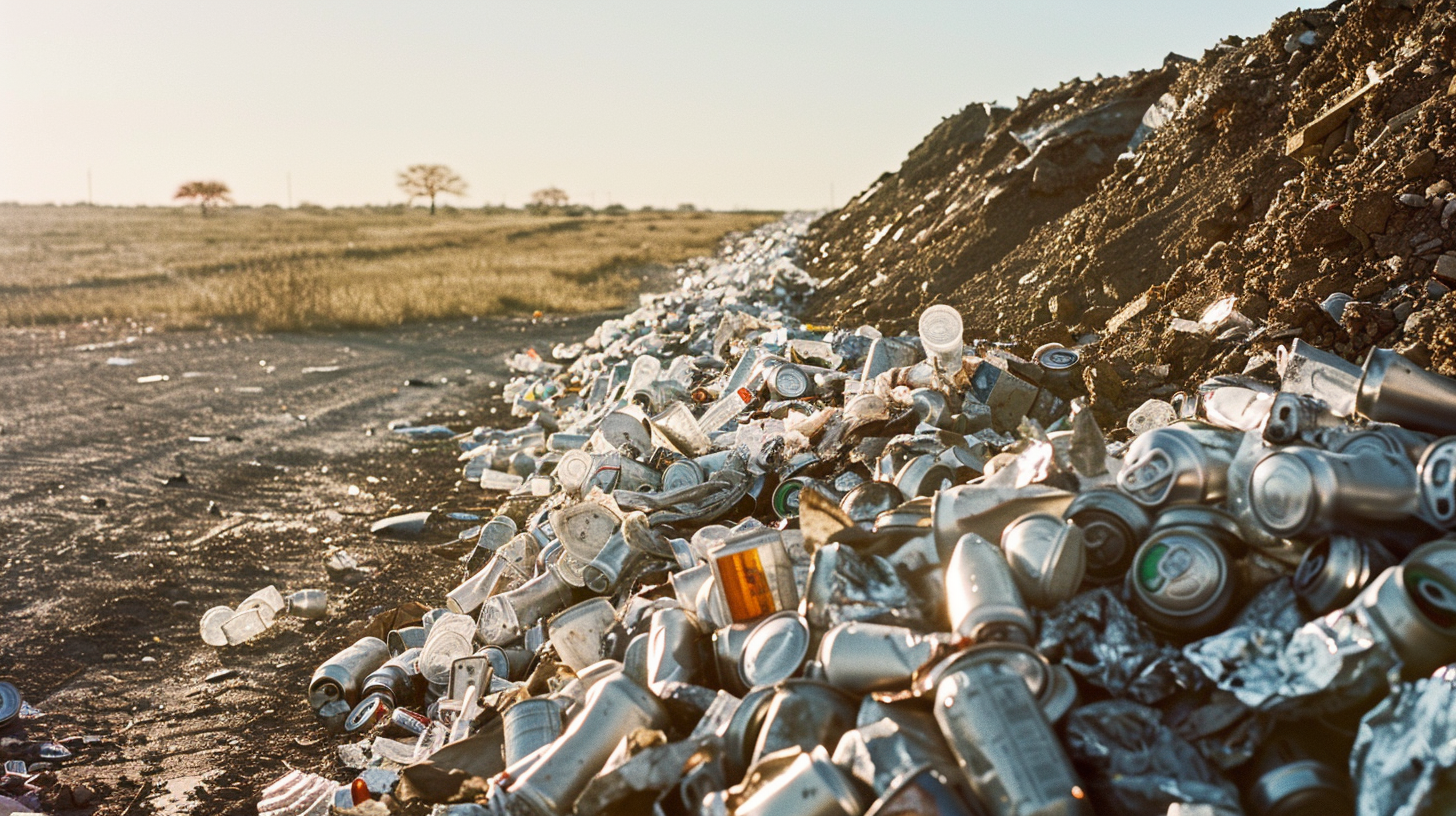
Texas keeps burying material it could sell. A new $61 million sorting plant that opened in Frisco this spring underscores the gap: the state has growing in-state demand for recovered plastic, glass and metal, yet it recycles only a small share of the billions of beverage containers Texans buy each year and has no deposit-refund system to capture them.
Circular Services launched its 120,000-square-foot Dallas-area materials recovery facility the week of April 23, according to Resource Recycling. The company said construction began in March 2025 and called the plant one of the most significant recycling-infrastructure investments in the region.
Chief Executive Ron Gonen said the facility captures “valuable materials that would otherwise cost taxpayers to landfill and keeping them in circulation,” saving communities disposal costs and generating revenue for municipal and commercial partners. Circular Services said it plans to direct recovered commodities to domestic markets, and the plant adds 35 full-time jobs while serving McKinney, Frisco and nearby cities.
That demand runs into a supply problem the state has not solved. In an op-ed for NAPCOR, the trade group for North America’s PET plastic industry, Executive Director Laura Stewart wrote that more than 30 PET recycling and manufacturing facilities in Texas struggle to secure enough recycled plastic locally and are “forced to import costly recycled materials from overseas,” raising costs and exposing supply chains to trade risk.
Stewart cited a Texas A&M Mosbacher Institute analysis finding Texans bought 23.7 billion beverage containers in 2021, with nearly 80 percent landfilled or littered. NAPCOR estimates the state wastes about $372 million in recyclable material a year.
Supporters argue a container-deposit system would close that gap. House Bill 2048 would have created a producer-run deposit-return program requiring a refundable deposit at purchase and a refund on return, with a target of a 75 percent beverage-container recycling rate by 2035.
The bill cleared the House Environmental Regulation Committee on a 6-0 vote on May 2, 2025, its furthest advance yet, before the legislative session ended May 15 without a floor vote, as Resource Recycling reported. Because the Legislature meets only in odd years, the next chance to file is the 2027 session.
Deposit states post far higher returns. Stewart cited Oregon’s system lifting plastic recycling above 80 percent, with Germany, Norway and Sweden topping 90 percent. Texas, by contrast, ranks among the lowest-recycling states in the country. The economic case that advocates press is that a deposit keeps material and its value inside Texas rather than sending scrap value to landfills while manufacturers pay to import feedstock.
Opponents have long questioned the model. Beverage and retail groups argue deposits function add costs and duplicate curbside programs that already exist in many cities. That resistance helped stall past Texas bottle bills and is expected to resurface in 2027.
For now, the imbalance is fixed: new capacity is coming online to process recyclables, but Texas lacks the collection system to feed it at scale. The Frisco plant will chase whatever material curbside programs deliver, while the larger question of whether Texas builds a statewide deposit system to stop landfilling hundreds of millions in recoverable material waits for lawmakers who do not return to Austin until January 2027.