
Texas Grid Bracing for Massive Demand Growth
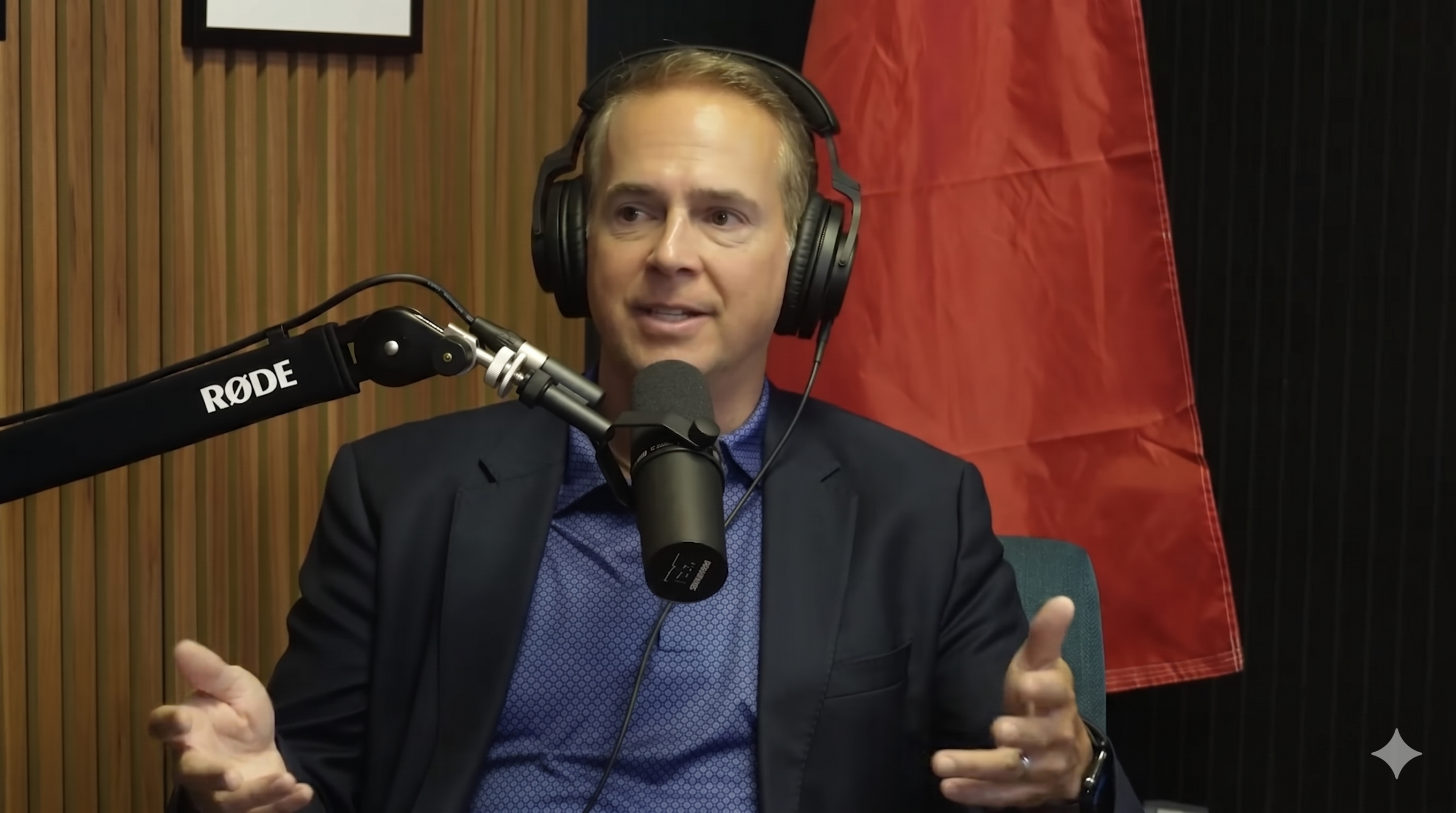
In a recent episode of Texas Talks: Future of Texas series, ERCOT CEO Pablo Vegas and Texas 2036’s Jeremy Mazur detailed the state’s strategy to maintain grid reliability amid a projected doubling of electricity demand over the next decade. The discussion centered on balancing a diversifying energy portfolio, managing the surge of energy-intensive data centers, and ensuring that the “Texas Economic Miracle” is not derailed by infrastructure constraints.
The Big Picture
As the fastest-growing state in the nation, Texas faces a unique challenge: expanding power generation and transmission fast enough to support both a rising population and a massive influx of industrial users. For everyday Texans and businesses, this means the state must navigate a shift from traditional “dispatchable” power (gas, coal, nuclear) to a mix that includes emerging tech and renewables—all while ensuring that the costs of this expansion are fairly allocated and don’t disproportionately burden the taxpayer.
What Policymakers Are Saying
- Pablo Vegas (ERCOT CEO) emphasized that while the grid has seen significant improvements in weatherization since Winter Storm Uri, the current market design doesn’t always value the reliability of different power sources. “If you want to see more thermal… more nuclear, you’re going to have to find a way to value what that brings… We need a construct that actually incentivizes that.”
- Jeremy Mazur (Texas 2036) highlighted the critical link between water and power, noting that reliable generation often depends on water availability. “One of the big issues we face in the water sector is being able to identify and deliver these water supply projects that are reliable and timely… the drought doesn’t follow our water plan.”
- Vegas on Data Centers: He noted that while projections are high, new rules (such as Senate Bill 6) protect residential consumers. “Data centers have to turn off first before anybody else does… there will not be load shed for an everyday mom and pop residential customer or business before a data center turns off.”
By The Numbers
- 100%: The projected increase in electricity load over the next 10 years, according to some ERCOT forecasts.
- 75%: The approximate portion of that projected demand growth attributable to data center development.
- 400 Gigawatts: The current “queue” of interest for new projects in Texas—more than four times the current size of the grid at peak demand.
- 10th: Texas’s rank as one of the cheapest states for electricity prices in the U.S., a position officials aim to maintain through competitive market strategies.
- $5 Billion: The amount of new transmission infrastructure put into rates in 2024 to support grid connectivity.
The Dispatch Note
Looking toward the state’s bicentennial in 2036, the focus for Texas policymakers will be on the “all of the above” energy strategy. Taxpayers can expect continued debate over Rate Design—ensuring large industrial users pay their fair share for the infrastructure they require—and the potential for “decentralized” energy solutions, where homeowners with solar or EVs could eventually be paid to help stabilize the grid during peak times.
Watch the full discussion here: Powering the Next Texas Economy