
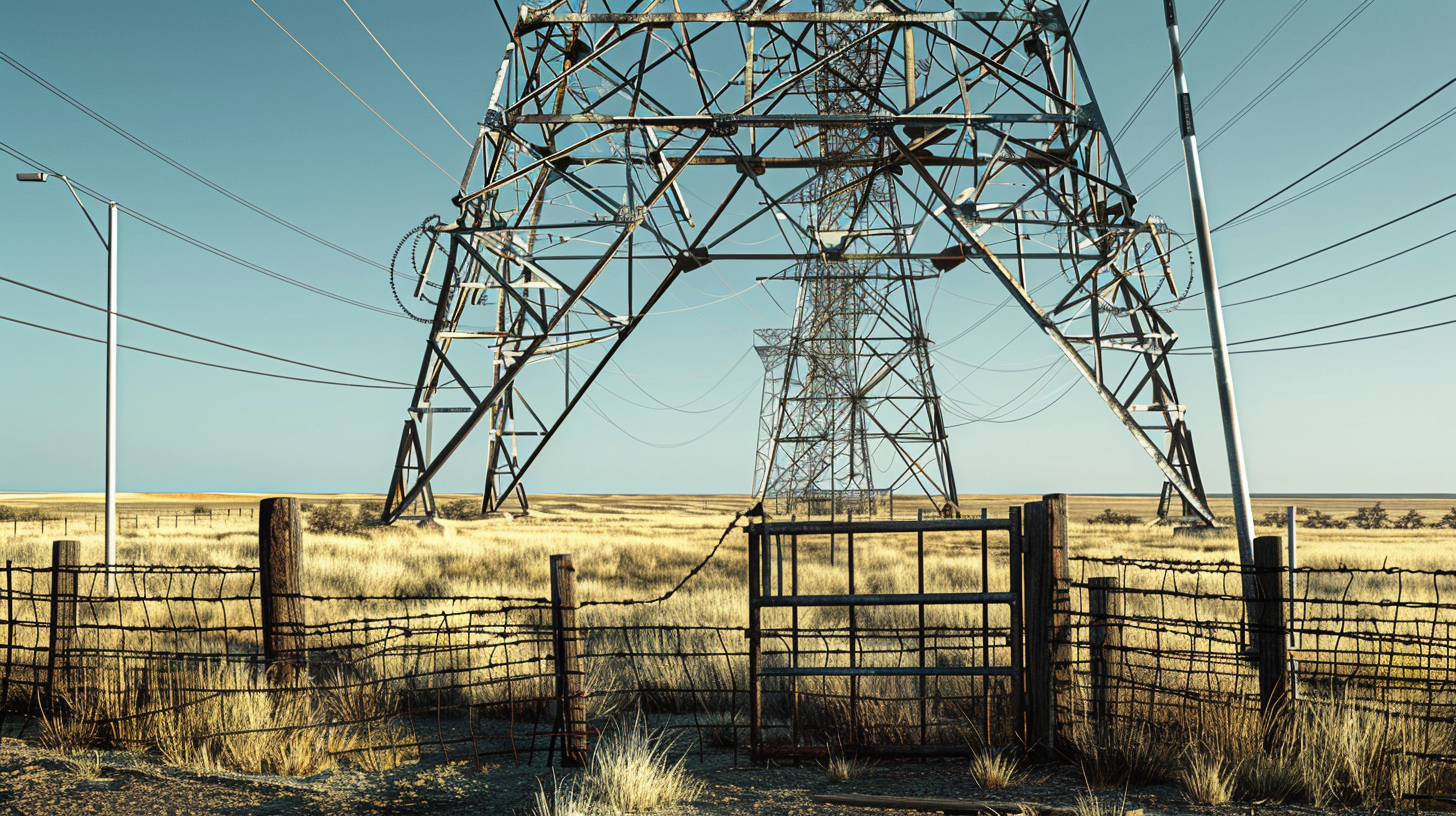
As Texas moves forward on the 765-kilovolt transmission expansion estimated at more than $33 billion, state utility regulators are reworking the rules that determine which customers pay for the new infrastructure. The Public Utility Commission of Texas (PUCT) is advancing a formal rulemaking process to replace the state’s decades-old “four coincident peak” (4 CP) method of allocating transmission expenses.
According to a regulatory analysis published by the Sierra Club, the proposed framework shifts cost burdens to large industrial power users and could lower total transmission charges for residential consumers by approximately 10%.
This rulemaking on allocating costs is a separate administrative path from the localized routing disputes currently moving through state courts and commissions, such as the Bell County East to Big Hill transmission line. While individual docket proceedings decide where physical towers are built, this policy review will dictate how the multi-billion-dollar cost of the entire grid expansion is distributed across different classes of electricity consumers.
The cost-allocation overhaul follows a directive issued by Governor Greg Abbott on June 10, ordering the PUCT to lower residential transmission costs and move grid-infrastructure financial burdens onto the large industrial loads driving new demand.
Under the existing 4 CP method, transmission charges are determined by a customer’s share of total electricity demand during the four highest peak consumption hours of the summer. The Sierra Club analysis indicates that the current system allows some large commercial operations to temporarily curtail their power use during anticipated peak windows, lowering their share of transmission fees and shifting that share of grid upkeep onto standard households.
Agency staff published a draft report in May, followed by a proposed rule change in mid-June. Under the current draft, the state would replace the summer-focused 4 CP system with a broader 12-peak framework tracking demand across every month of the year.
The rule also introduces a new, fixed demand charge specifically targeted at large loads to ensure industrial operations cannot bypass infrastructure cost responsibilities.
To manage the cost of large-scale grid connections, the commission is running a parallel policy review under PUCT Project Number 58481. This rule proposes an upfront interconnect fee of $50,000 per megawatt for new high-volume power users.
The incoming demand volume is being screened through the Electric Reliability Council of Texas (ERCOT) “Batch Zero” framework, which narrows down hundreds of gigawatts of speculative power requests to roughly 100 gigawatts of verified industrial projects for formal study.
PUCT Chairman Thomas Gleeson stated that the primary objective of the policy shift is to assign the costs of grid growth directly to the industrial customers causing that expansion.
While commissioners finalize the economic formulas, individual transmission routing dockets continue to advance through the administrative pipeline.
The Lower Colorado River Authority (LCRA) is awaiting a final routing order this summer on its 173-mile Big Hill to Sand Lake 765-kV segment. At the same time, CPS Energy is navigating a regulatory schedule through August for its 370-mile Howard to Solstice transmission line.
The next steps in the administrative process include a public comment period on the cost-recovery draft before the commission faces a statutory adoption deadline on December 31, 2026.