
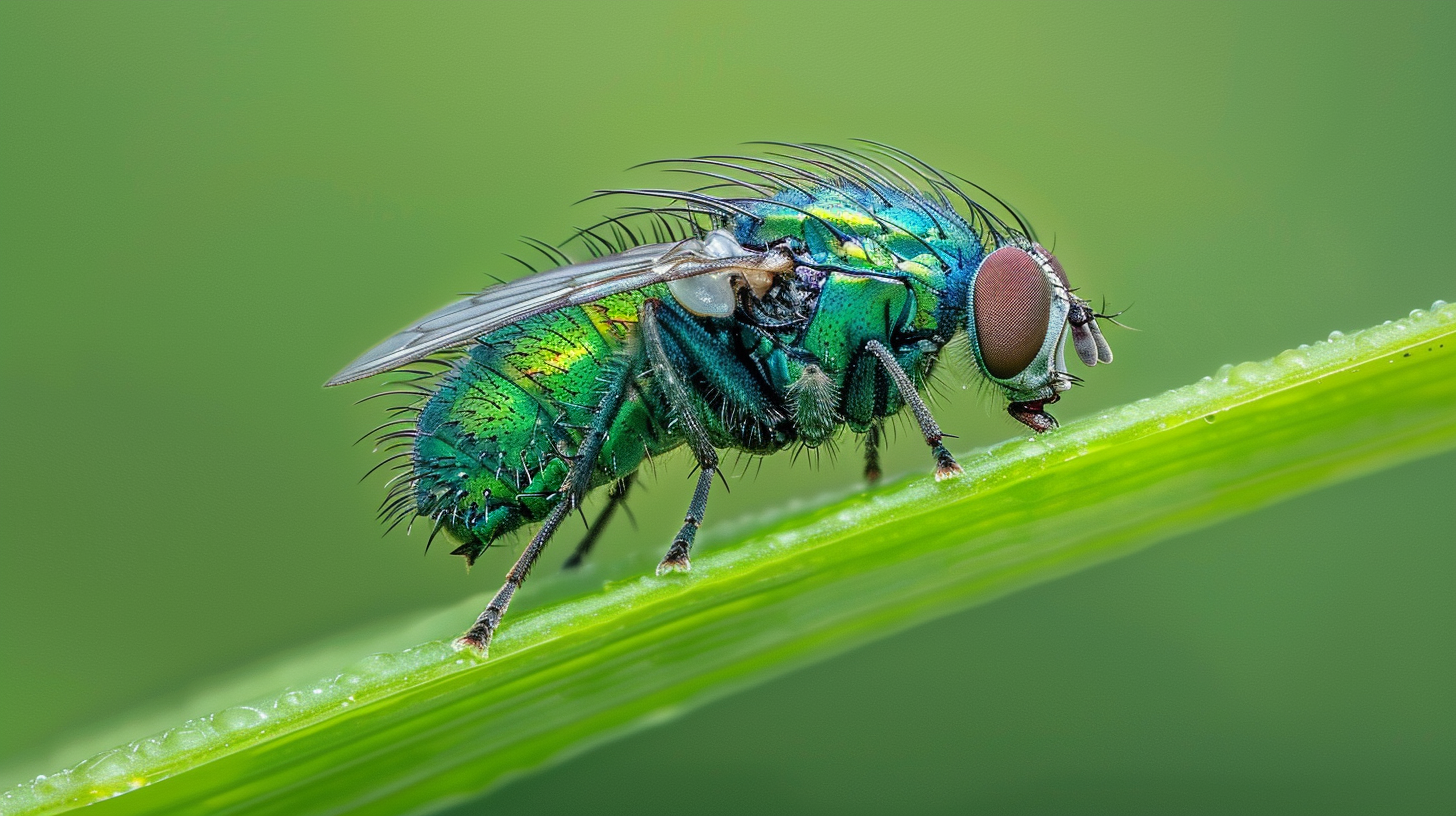
The federal response to the New World screwworm outbreak in Texas is shifting focus toward expanding supply-side containment measures, specifically by scaling up sterile-fly production and aerial dispersal.
According to the United States Department of Agriculture (USDA) Animal and Plant Health Inspection Service (APHIS), infrastructure investments are designed to bring production capacity close to 500 million sterile flies per week, matching the volume historically used to eradicate the parasite from the United States.
The active case count remains stable. The USDA’s registry documents 12 confirmed cases in the United States, consisting of 11 detections in Texas and one in New Mexico. According to state reporting tracked by Texas Public Radio, the confirmed infections remain confined to domestic livestock and pets, including cattle, goats, a sheep, and a dog, with no verified cases in native wildlife or humans.
The USDA states that the current risk to the general public and animal populations in the United States remains very low, and emphasizes that the parasite does not present a food safety issue.
The sterile insect technique relies on high-volume saturation to disrupt the reproductive cycle of the wild parasite population. The program functions by overwhelming wild populations with sterile male flies. Because female flies typically mate only once during their lifespan, mating with sterile males results in nonviable eggs, which causes the overall population to decline.
To manage the logistics of this strategy, the USDA has established a New World Screwworm Directorate within APHIS. Additionally, the federal agency is funding a research initiatives program, designating up to $100 million through its New World Screwworm Grand Challenge to improve sterile-fly production techniques and regional response capabilities.
To facilitate the distribution of sterile insects across Texas, the USDA has activated its dispersal facility at Moore Air Base in Edinburg, which serves as the origin point for regional aerial releases. Federal personnel are also deploying ground-release chambers to supplement the approximately 4 million sterile flies currently distributed via aircraft in the region each week, according to reporting by Texas Public Radio.
The USDA continues to release 100 million sterile insects per week within Mexico and along the international border, while maintaining closures to livestock trade at all southern ports of entry. Under current biosecurity protocols, each newly confirmed detection triggers the establishment of a 20-kilometer infested zone, which institutes local quarantines, animal movement controls, and intensified surveillance.
Ongoing monitoring will track whether the conversion of the Metapa, Mexico, facility and the expansion of Moore Air Base bring weekly sterile-fly output to the 500-million target on schedule. Key indicators also include any changes to the 12-case national registry, the potential documentation of a first wildlife case—such as in white-tailed deer—and whether ground-release chamber deployment expands as a primary containment tactic within Texas infested zones.