
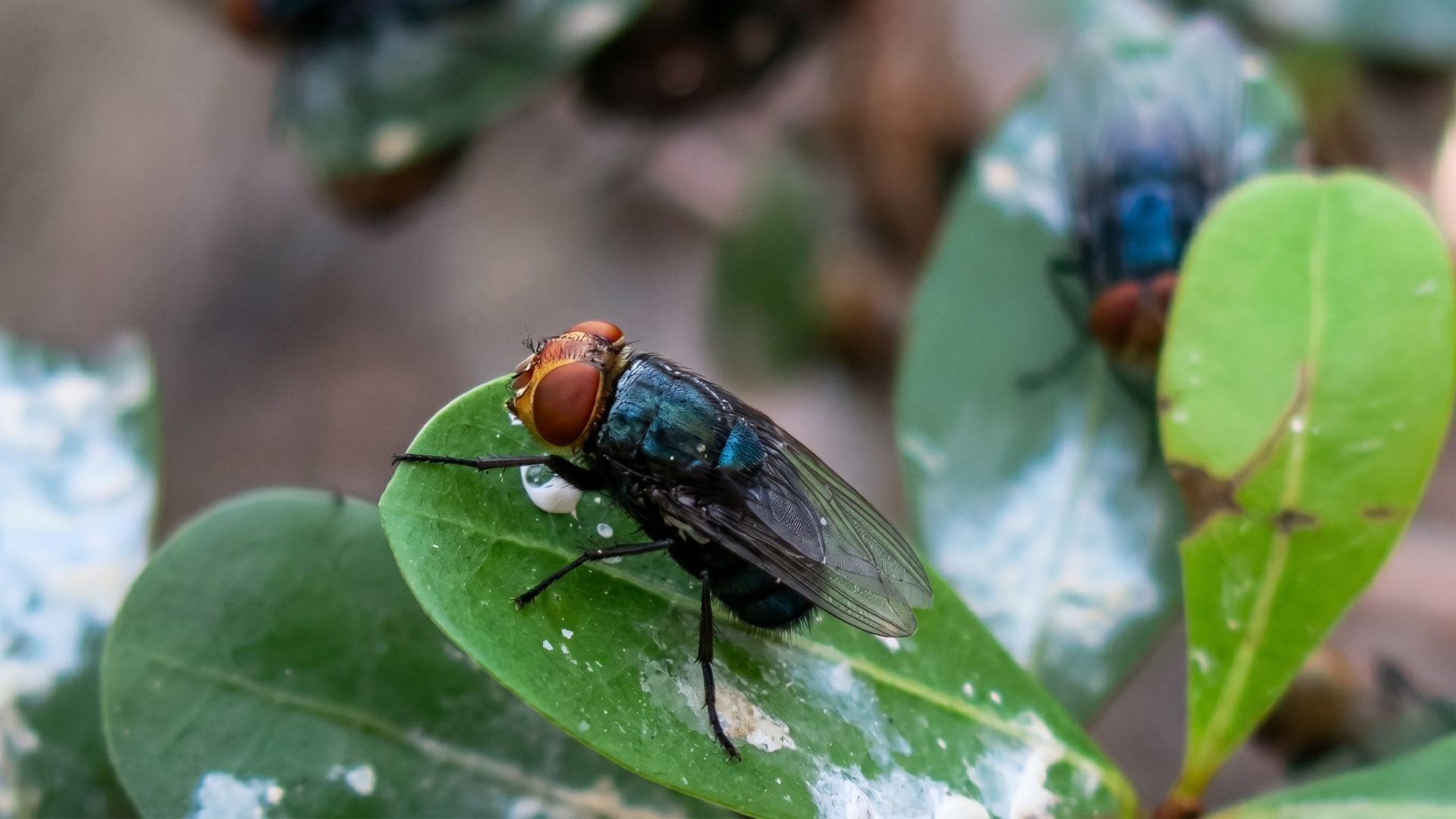
The national registry for the New World screwworm outbreak has maintained a stable count of 12 confirmed cases into Friday morning, according to data from the United States Department of Agriculture (USDA) Animal and Plant Health Inspection Service (APHIS).
With no new detections reported over several days, federal and state agricultural responders are focusing on the long-term containment framework, which faces a lengthy timeline before domestic sterile-fly production can begin on Texas soil.
The cumulative case count includes 11 detections in Texas and one isolated case involving a dog in Lea County, New Mexico. In Texas, active quarantine restrictions remain firmly in place across designated portions of 13 counties: Coke, Edwards, Gillespie, Kerr, Kimble, La Salle, Schleicher, Sutton, Tom Green, Uvalde, Val Verde, Webb, and Zavala.
State and federal animal health agencies reiterate that the parasitic outbreak is confined to livestock and pets—including cattle, goats, a sheep, and a dog—with no confirmed cases documented in regional wildlife populations or humans.
While the current stabilization of cases offers a temporary reprieve for the state’s livestock industry, public project records indicate that a domestic production pipeline for sterile flies remains distant. The $750 million facility planned for Moore Air Base in Edinburg, Texas, is not projected to achieve full construction completion until late 2027.
The sterile insect technique relies on overwhelming local wild populations with sterile males to disrupt the pest’s reproductive cycle. Because female flies typically mate only once during their lifespan, mating with sterile males results in nonviable eggs. The initial operational phase of the Edinburg plant is engineered to generate roughly 100 million sterile flies per week, with a subsequent expansion to bring weekly capacity up to 300 million flies.
Until the domestic production facility becomes operational, containment efforts in Texas remain dependent on international supplies. Near-term aerial and ground saturation releases rely on imports from a long-running production plant in Panama, supplemented by a newly renovated facility in Metapa, Mexico, which is projected to begin contributing an additional 60 million to 100 million flies per week.
The current pause in new infections follows an intensification of boots-on-the-ground. The state previously secured emergency federal funding to add 15 positions, including 10 field inspectors alongside dedicated epidemiology and emergency management specialists. These teams are tasked with executing animal inspections, sample collections, and localized treatments within the active quarantine boundaries.
The USDA has also processed a $105 million funding package through its New World Screwworm Grand Challenge, distributed across 40 projects nationwide. This research and development initiative allocates substantial grants to Texas institutions—including Texas Tech University, Texas A&M AgriLife Research, and the University of Texas Rio Grande Valley—to develop advanced surveillance methods, automated drone monitoring, and enhanced trapping lures.
Federal and state officials are watching for any potential transmission into the state’s white-tailed deer populations and tracking the operational rollout of the Metapa facility to ensure a steady supply of sterile insects ahead of peak summer temperatures.
Ranchers, pet owners, and hunters are urged to examine all animals for open wounds or unusual lesions. Suspected cases should be reported immediately to the TAHC 24-hour hotline at 1-800-550-8242, while potential wildlife concerns should be directed to Texas Parks and Wildlife biologists at 512-389-4505.