
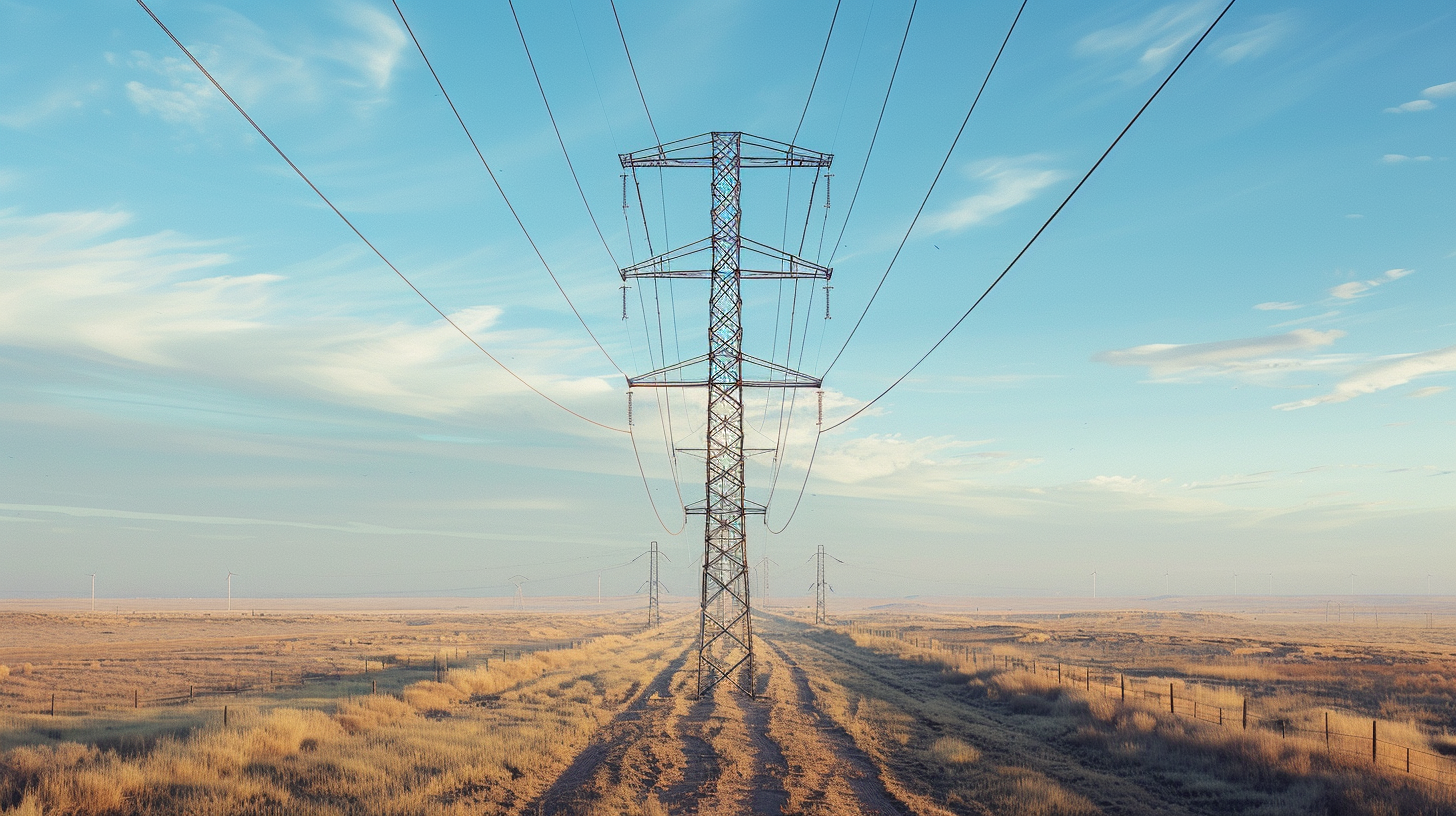
Administrative law judges overseeing a central segment of the state’s Permian Basin Reliability Plan have ruled that their upcoming routing recommendation will not determine whether the transmission line is actually necessary. The State Office of Administrative Hearings (SOAH) judges determined that the upcoming Proposal for Decision (PFD) will bypass the question of grid necessity. The ruling comes as the deadline for intervenors to file final written reply briefs in the routing case arrives on June 26, 2026.
The two cases cover adjoining links of the same extra-high-voltage transmission path. By consolidating the grid necessity review into the companion case, judges have shifted the procedural timeline, meaning a final routing decision on the Big Hill to Sand Lake line could be deferred until the broader necessity application is evaluated by the Public Utility Commission of Texas (PUCT).
The decision to separate the question of necessity from local routing alters the legal strategy for landowners, environmental groups, and county governments opposing the infrastructure. Intervenors who seek to halt the multi-billion-dollar project entirely by arguing that the Texas grid does not require a new 765-kV import corridor must now focus their efforts on the necessity review.
Meanwhile, the primary routing case can advance on its own schedule toward an alignment decision, even before the foundational question of necessity is completely resolved. State utilities favor this multi-track administrative structure because it allows the massive grid buildout to maintain forward momentum in court while more complex legal challenges are litigated in a separate forum. Local advocacy groups argue that dividing the issues compresses the window for meaningful citizen participation.
The infrastructure footprint of the project is substantial, beginning with a primary route designed to span roughly 197 miles from the LCRA Big Hill Substation in Schleicher County to Oncor’s Sand Lake Switch in Ward County. To determine the final alignment, the utility applications include 173 alternative routing options that range from 197 to 222 miles in total length. If approved by state regulators, the transmission providers anticipate energizing the line by the winter of 2030.
The entire buildout stems from the comprehensive Permian Basin Reliability Plan, which won formal PUCT approval on April 24, 2025, as the first extra-high-voltage transmission project designed for the ERCOT power grid.
The June 26 reply-brief deadline marks the official close of the written evidentiary record for the routing dispute. Local landowner coalitions, including the Friends of the San Saba River, have protested the procedural fairness of separating the cases, arguing it diminishes their ability to present a unified defense against the power lines. With the briefing window closed, the administrative judges will shift to drafting their formal recommendations for the state utility commission.
The upcoming phases of the administrative process will focus on how the state coordinates the overlapping issues. A final PUCT route decision on the Big Hill to Sand Lake link could come as soon as July, according to the LCRA project schedule, though commissioners may choose to hold the order until the necessity findings are finalized in the companion case later this summer.
Regulators are also tracking a separate state deadline on July 17, when the PUCT and ERCOT must issue a joint memorandum outlining updated strategies to shield residential ratepayers from the soaring costs of the broader transmission expansion.