
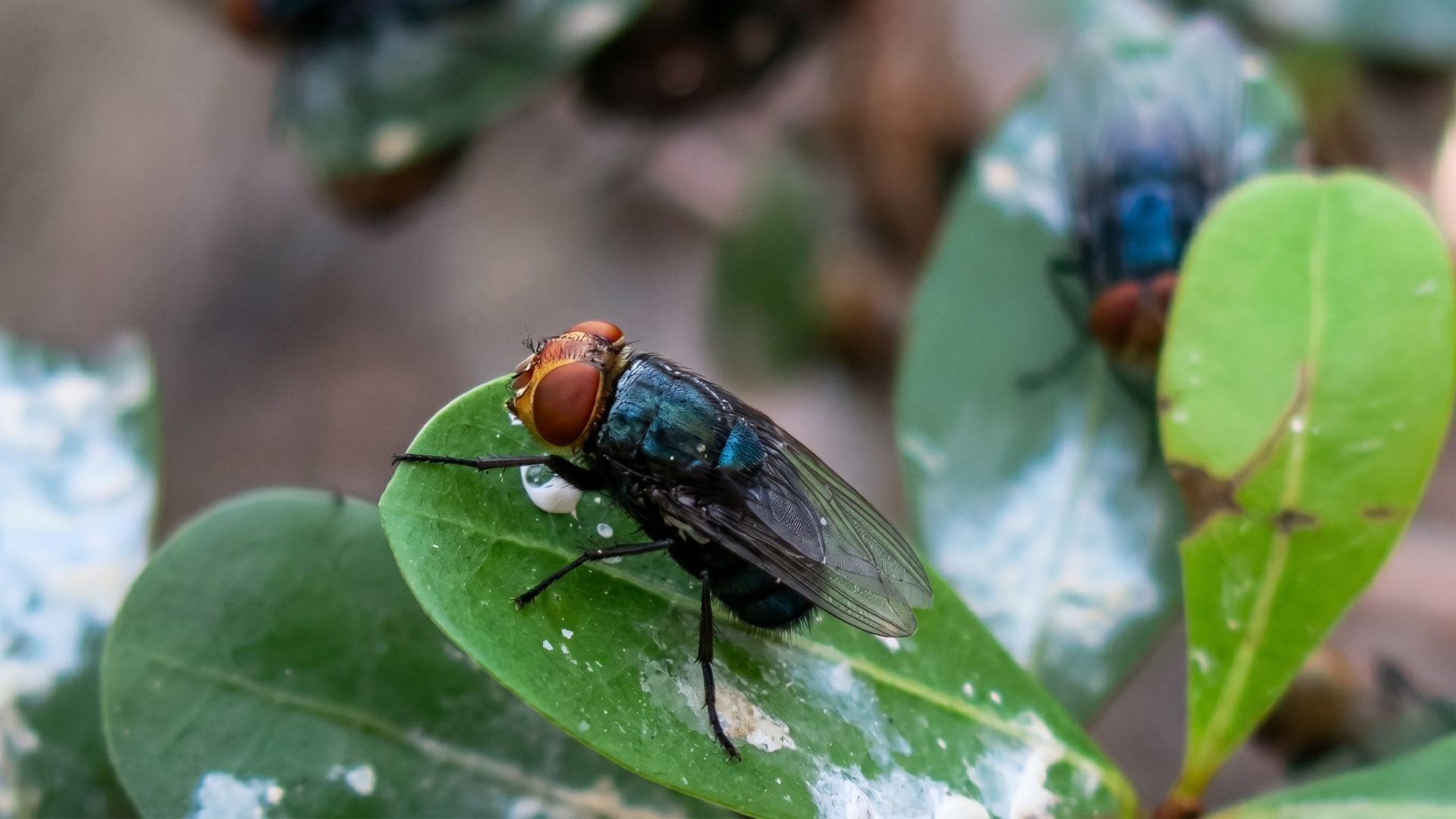
The New World screwworm has pushed into the South Texas borderlands for the first time, prompting the Texas Animal Health Commission to stand up a tenth formal quarantine zone as the confirmed U.S. case count reached 26, according to FOX 7 Austin.
Of those, 25 cases are in Texas and one is a domestic animal in Lea County, New Mexico, the station reported, citing federal and state agricultural records. The southward move marks a new front in an outbreak that until this week had been concentrated in the Big Bend, the Hill Country and the Concho Valley.
The geographic expansion was triggered by a detection on June 25 in a bovine in Jim Hogg County, a ranching county northwest of the Rio Grande Valley, FOX 7 Austin reported. In response, TAHC Executive Director Dr. Lewis R. Dinges signed an emergency order on June 26 establishing Infested Zone 10, which imposes immediate animal-movement restrictions across designated portions of Jim Hogg, Starr and Zapata counties. The boundaries are mapped on the TAHC zone viewer.
The parasite has also reappeared in previously affected territory, forcing regulators to redraw existing boundaries. A June 25 order created Infested Zone 07.A after the screwworm was detected in a sheep outside the original containment line in Crockett County on June 24; the revised zone covers parts of Crockett, Schleicher, Sutton and Val Verde counties. A separate June 26 order — the third modification in that area — established Infested Zone 04.C following a new detection in an Edwards County sheep on June 25, affecting parts of Edwards, Sutton and Val Verde counties.
Movement restrictions are now actively enforced across parts of 21 Texas counties, FOX 7 Austin reported: Bandera, Coke, Crockett, Edwards, Gillespie, Jim Hogg, Kerr, Kimble, La Salle, Medina, Pecos, Schleicher, Starr, Sutton, Terrell, Tom Green, Uvalde, Val Verde, Webb, Zapata and Zavala. Under the orders, no warm-blooded animals may be moved outside a designated zone without prior TAHC authorization, and hides, carcasses and animal parts capable of hosting larvae are barred from transport until they are inspected, treated and cleared by a commission representative.
The screwworm fly (Cochliomyia hominivorax) lays eggs in open wounds — including minor abrasions or tick bites — and the resulting larvae burrow into living tissue, a condition called myiasis that can be fatal to livestock and wildlife if untreated, according to the Texas Animal Health Commission.
The commission notes that infested animals can die within a week without treatment. The USDA’s Food Safety and Inspection Service says any infected animal would be identified during inspection and kept out of the commercial meat supply, so the detections are not a food-safety issue. Federal and state crews continue ground and aerial dispersal of sterile flies, the eradication method the USDA credits with removing the pest from the United States in 1966.
As of June 27, officials had not publicly confirmed any Texas wildlife or human infection; the Texas Parks and Wildlife Department handles wildlife reports and the Department of State Health Services handles human cases.
Governor Greg Abbott’s statewide disaster proclamation, first issued January 29 and updated June 5, remains in effect to speed resource deployment through the State Emergency Operations Center. The TAHC has urged livestock and pet owners to inspect animals daily and report suspected cases immediately to 512-719-0700.