
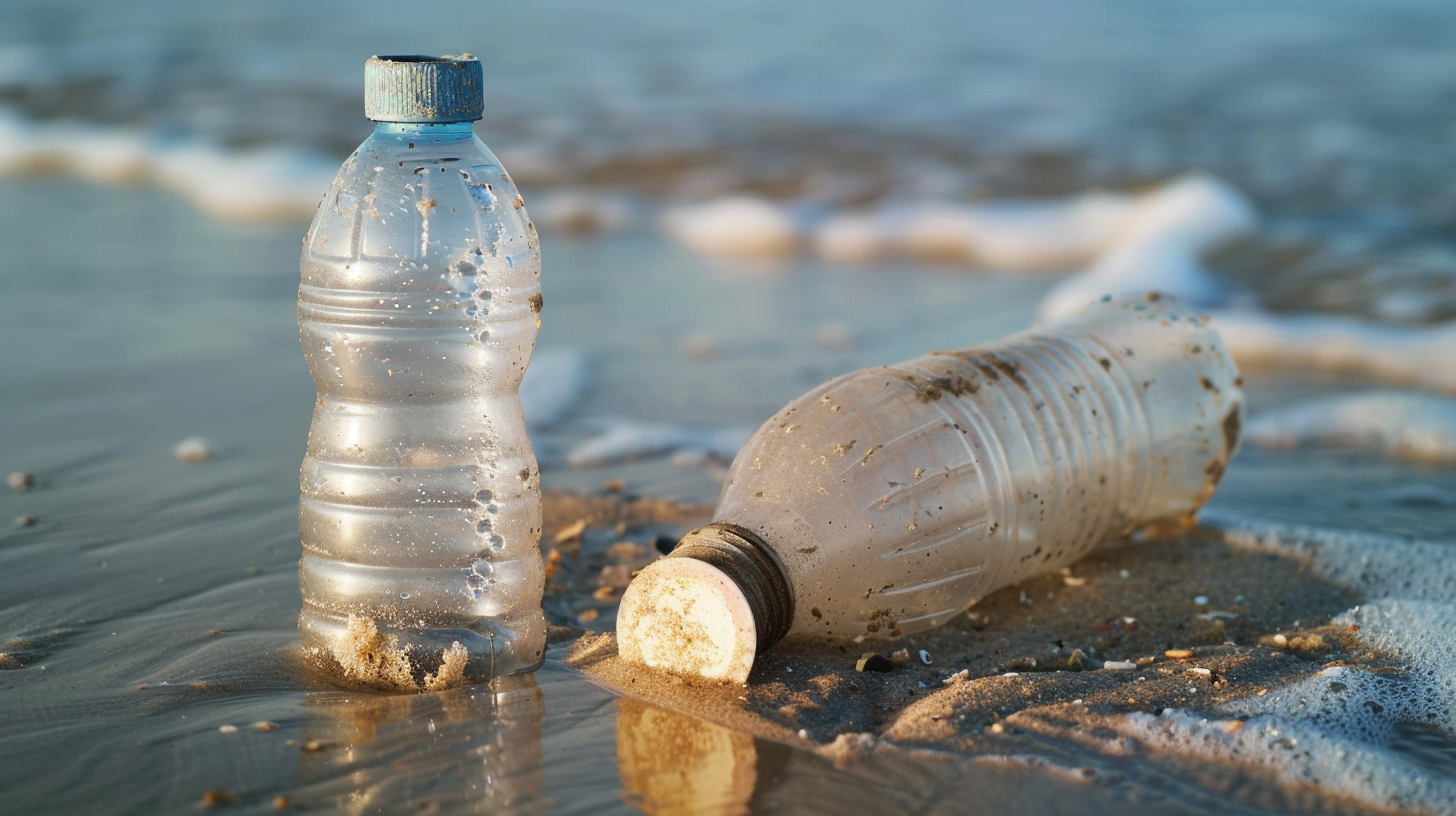
Texas volunteers removed 48,952 pounds of trash—nearly 24 tons—from beaches stretching between Sea Rim State Park and Boca Chica on April 18, 2026, according to a Texas General Land Office report.
The single-day effort drew 4,659 volunteers across 21 coastal sites as the state’s Adopt-A-Beach program marked its 40th anniversary. Four decades after the cleanups began, the tally underscores the ongoing volume of debris reaching the state’s 360 miles of Gulf shoreline.
Texas Land Commissioner Dawn Buckingham stated that the program has successfully kept beaches clean while educating the public about the dangers of marine debris. Since the inaugural cleanup in the fall of 1986—when 2,800 volunteers collected 124 tons of debris—more than 600,000 participants have removed over 10,000 tons of trash from Texas beaches.
The initiative is managed by the agency’s Coastal Protection Division and receives sponsorship from corporate and federal partners, including Chevron, ExxonMobil, Valero, NOAA, and the Ocean Conservancy.
The data shows year-over-year fluctuations in cleanup volumes. The spring 2026 haul represents a decrease from the spring 2025 cleanup, when 4,958 volunteers removed 53,002 pounds of trash across 21 sites. This reflects a roughly 8% drop in overall tonnage and a 6% decline in volunteer turnout. While annual totals vary based on weather conditions, turnout, and oceanic tides, four decades of accumulated data indicate that the flow of coastal debris remains steady.
A significant portion of the recovered debris consists of beverage packaging. In the Ocean Conservancy’s 2024 International Coastal Cleanup report, plastic beverage bottles ranked as the second most collected item worldwide, trailing only food wrappers. Plastic bottle caps were also documented among the top items retrieved globally during the cleanup operations, which originally developed from a 1986 Texas Gulf Coast beach initiative.
The continuous accumulation of beverage containers has directed policy attention toward container-deposit systems, where Texans can return bottles or cans to a designated location and receive a small financial reward.
Historical data compiled by the Container Recycling Institute indicates that beverage-container litter dropped by approximately 70% to 83% in early bottle-bill states after deposit systems were enacted. A 2025 global review published by Reloop evaluated data from more than 20 deposit jurisdictions and concluded that these systems reduce beverage-container litter by more than half on average, with the majority of analyzed studies documenting reductions between 40% and 70%.
Texas does not currently operate a container-deposit system. A statewide bottle bill, House Bill 2048, secured approval from a House committee during the 2025 legislative session but failed to advance to a the floor for a vote before the session expired.
The General Land Office has scheduled the next Adopt-A-Beach Coastwide Fall Cleanup for September 19, 2026. Container-deposit advocates are expected to refile a bottle bill when the Texas Legislature convenes for its next regular session in 2027, presenting another opportunity to debate whether the state will continue funding periodic cleanup efforts or implement measures to reduce container waste at the source.