
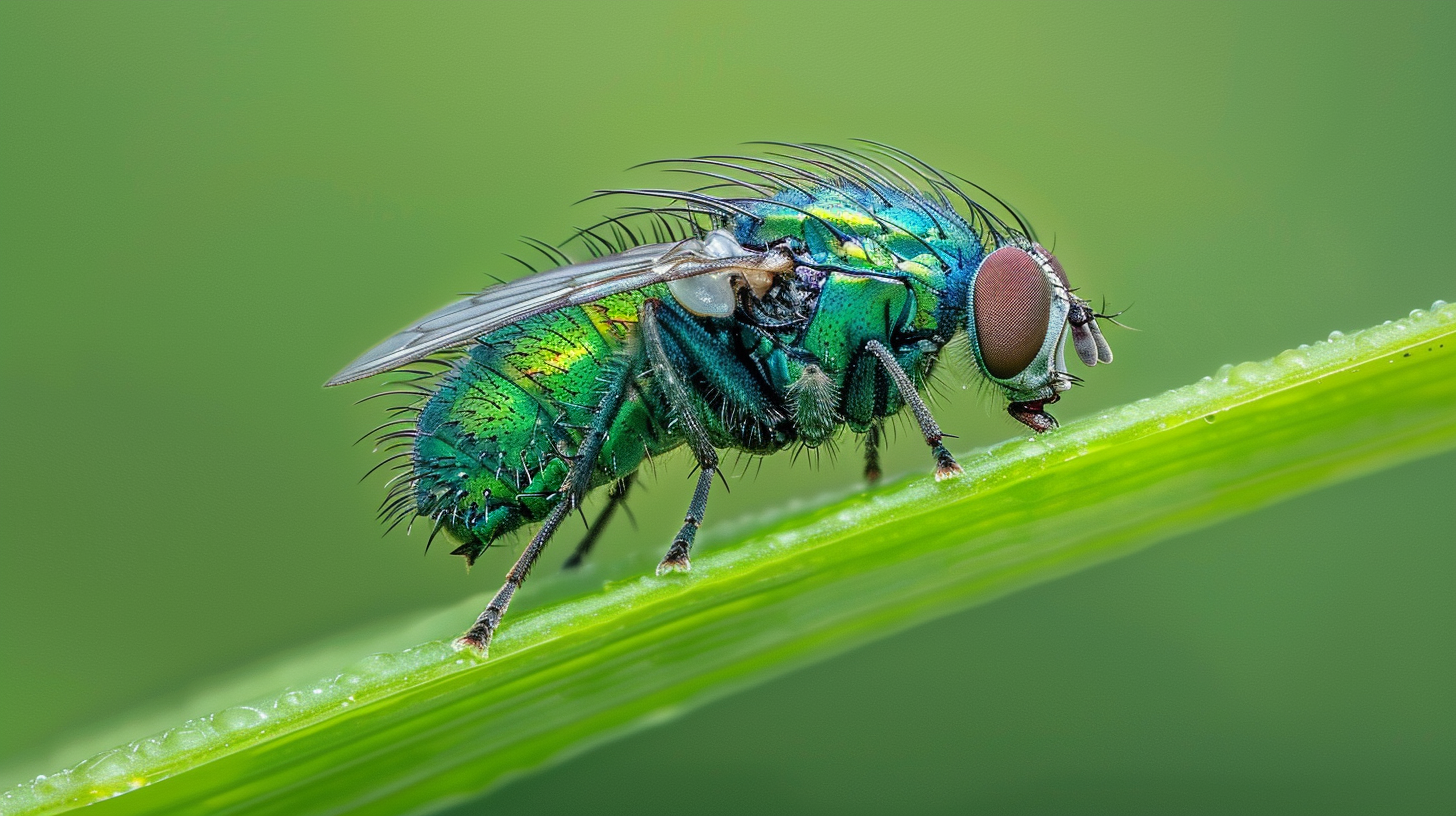
The number of confirmed New World screwworm cases in the United States has risen to 19, with 18 now identified in Texas and one in New Mexico. The latest increase follows the verification of three additional infestations in Terrell County cattle on June 23, 2026.
The new livestock cases were detected just one day after a separate Terrell County goat infestation was verified on June 22, creating a localized cluster that state agriculture officials are targeting as a focal point for regional containment.
In response to the expanding cluster, the Texas Animal Health Commission (TAHC) issued a emergency executive order establishing “Infested Zone 08,” which extends formal movement restrictions directly into Pecos County.
The new containment directive, signed by TAHC Executive Director Dr. Lewis R. Dinges, prohibits all warm-blooded animals from leaving the designated zone without prior state authorization, a physical veterinary inspection, and an official movement certificate. The biosecurity restrictions also apply to animal hides, carcasses, and uninspected parts capable of hosting the flesh-eating parasite. State quarantine zones now span portions of more than a dozen Texas counties, including Edwards, Gillespie, Kerr, Kimble, La Salle, Pecos, Sutton, Uvalde, Val Verde, Webb, and Zavala.
The jump to 19 total cases underscores the persistent pressure on state and federal teams to redraw quarantine maps as the parasite migrates into new West Texas territories. All current domestic infestations remain confined to livestock, with no confirmed human or wildlife cases reported in Texas to date. State veterinarians continue to emphasize that the outbreak is strictly an animal-health crisis rather than a food-safety issue, and meat from inspected Texas livestock remains entirely unaffected.
Responders caution that the domestic case count will likely continue to climb in the short term. The sterile insect technique currently being deployed across West Texas suppresses future fly populations but does not eliminate larvae already incubating inside living hosts. Because the primary screwworm fly maintains an approximate 21-day life cycle, it requires multiple reproductive rounds before regional wild populations begin to collapse.
The USDA has initiated localized sterile-fly dispersal flights over high-risk regions, including Crockett and Terrell counties. U.S. Agriculture Secretary Brooke Rollins stated that while the recent detections represent a serious threat to regional livestock and wildlife populations, the developments have not caught federal containment teams off guard.
To support the agricultural response, Governor Greg Abbott activated the Texas State Emergency Operations Center, building upon a statewide disaster proclamation originally issued on January 29, 2026, and updated on June 5.
The domestic migration occurs amid a broader international outbreak. Mexico has reported more than 29,000 screwworm cases since November 2024, with approximately 1,800 cases currently flagged as active. Texas animal health officials are urging livestock and pet owners to inspect their animals daily for foul-smelling or non-healing wounds, and to immediately report any suspected infestations to the TAHC at 512-719-0700.