
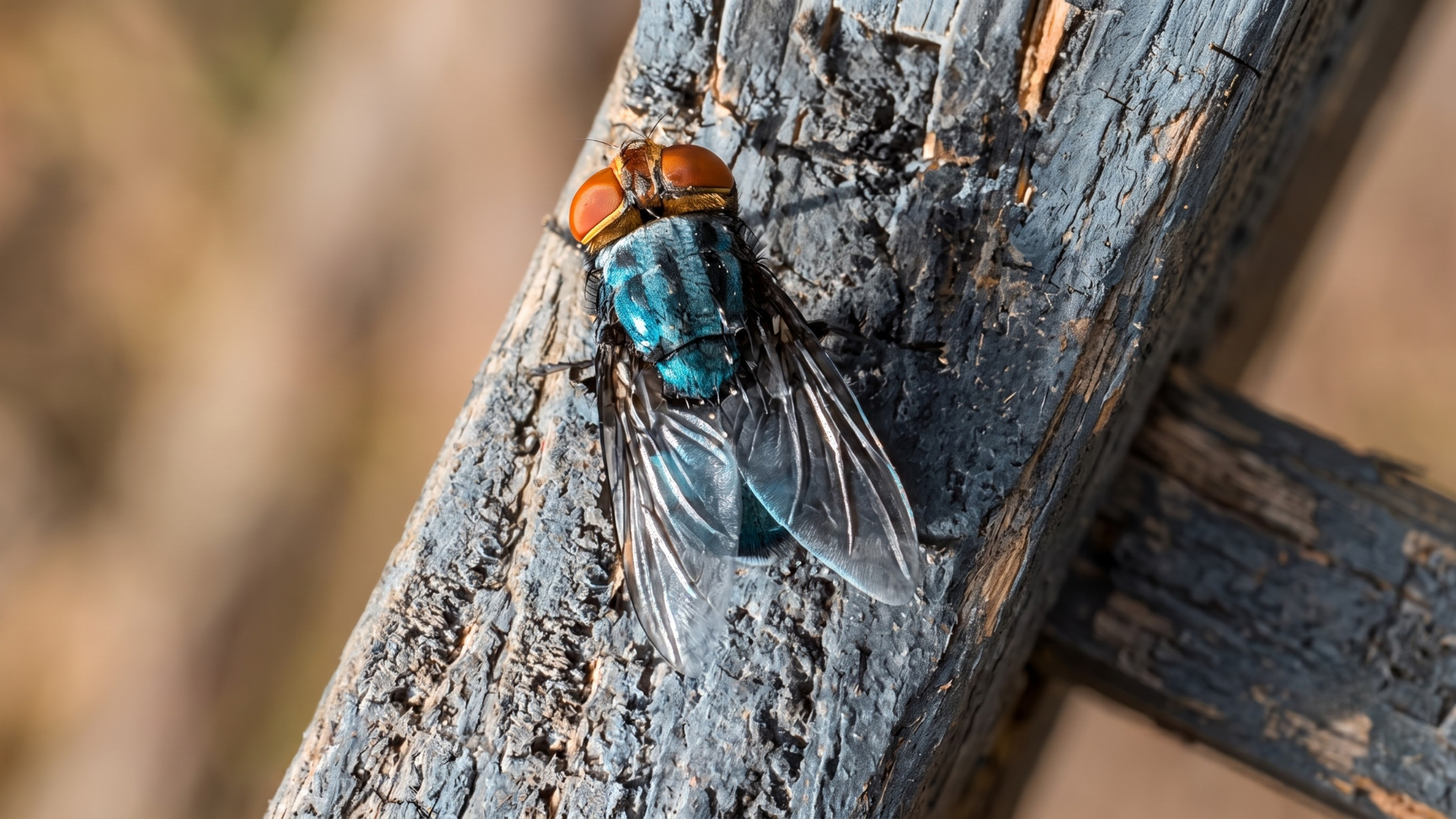
The number of confirmed New World screwworm cases in the United States rose to 31 as of July 1, according to the U.S. Department of Agriculture’s Animal and Plant Health Inspection Service confirmed-detections dashboard.
Thirty of the cases are in Texas and one is in Lea County, New Mexico, spread across 13 counties. The dashboard listed 21 cases as active and 10 as inactive, meaning roughly a third of confirmed detections no longer require ongoing treatment or wound management.
The tally is up from 29 cases reported on June 30, when APHIS logged the first infestation in a Texas dog, an inactive detection in Pecos County. All confirmed U.S. cases remain in domestic animals — cattle, sheep, goats and two dogs.
APHIS has reported no confirmed detection in Texas wildlife, such as deer, and the Texas Department of State Health Services has reported no locally acquired human case. The first Texas detection was confirmed June 3 in a three-week-old calf in Zavala County, ending 60 years without the parasite in the state.
Under the APHIS definitions posted with the dashboard, an active case involves continuing disease-mitigation work on an individual animal until it is free of screwworm myiasis, while an inactive case means the animal has recovered and treatment is complete or, in the case of a dead animal, that carcass management has been handled. The agency cautioned that individual cases turning inactive does not by itself lift an infested zone, which requires additional conditions before release.
The Texas Animal Health Commission continues to restrict animal movement across parts of 21 counties designated as infested zones, including Bandera, Crockett, Edwards, Jim Hogg, Kimble, La Salle, Medina, Pecos, Starr, Sutton, Terrell, Uvalde, Val Verde, Webb, Zapata and Zavala. Animals may not leave those areas without inspection. The commission’s most recent zone actions in late June added Terrell County and redrew boundaries after detections pushed into South Texas near the border.
State and federal officials are responding with expanded fly trapping, wildlife surveillance and the release of sterile flies, which break the parasite’s reproductive cycle. The USDA and Mexico’s agriculture agency inaugurated a sterile-fly production plant in Metapa, Chiapas, on June 27, a facility USDA has said can eventually produce up to 100 million flies per week to reinforce dispersal along the northward front. All southern U.S. ports of entry have been closed to livestock trade since USDA Secretary Brooke Rollins ordered the shutdown in 2025.
The stakes for Texas agriculture are large. The Texas Tribune has reported that the state’s cattle industry generates roughly $41 billion a year, and that screwworm poses a multibillion-dollar threat to that sector while pressuring already high beef prices. Mexican officials have reported nearly 28,000 screwworm cases in Mexico since November 2024, according to the Tribune, underscoring the regional spread that federal trackers have followed since 2023.
For now, the Texas outbreak remains confined to livestock and two companion animals, with the share of resolved cases rising even as the total ticks up. Whether that trend holds will become clearer with the next APHIS dashboard update, which the agency refreshes as new detections are confirmed and as infested zones meet the conditions for release.