
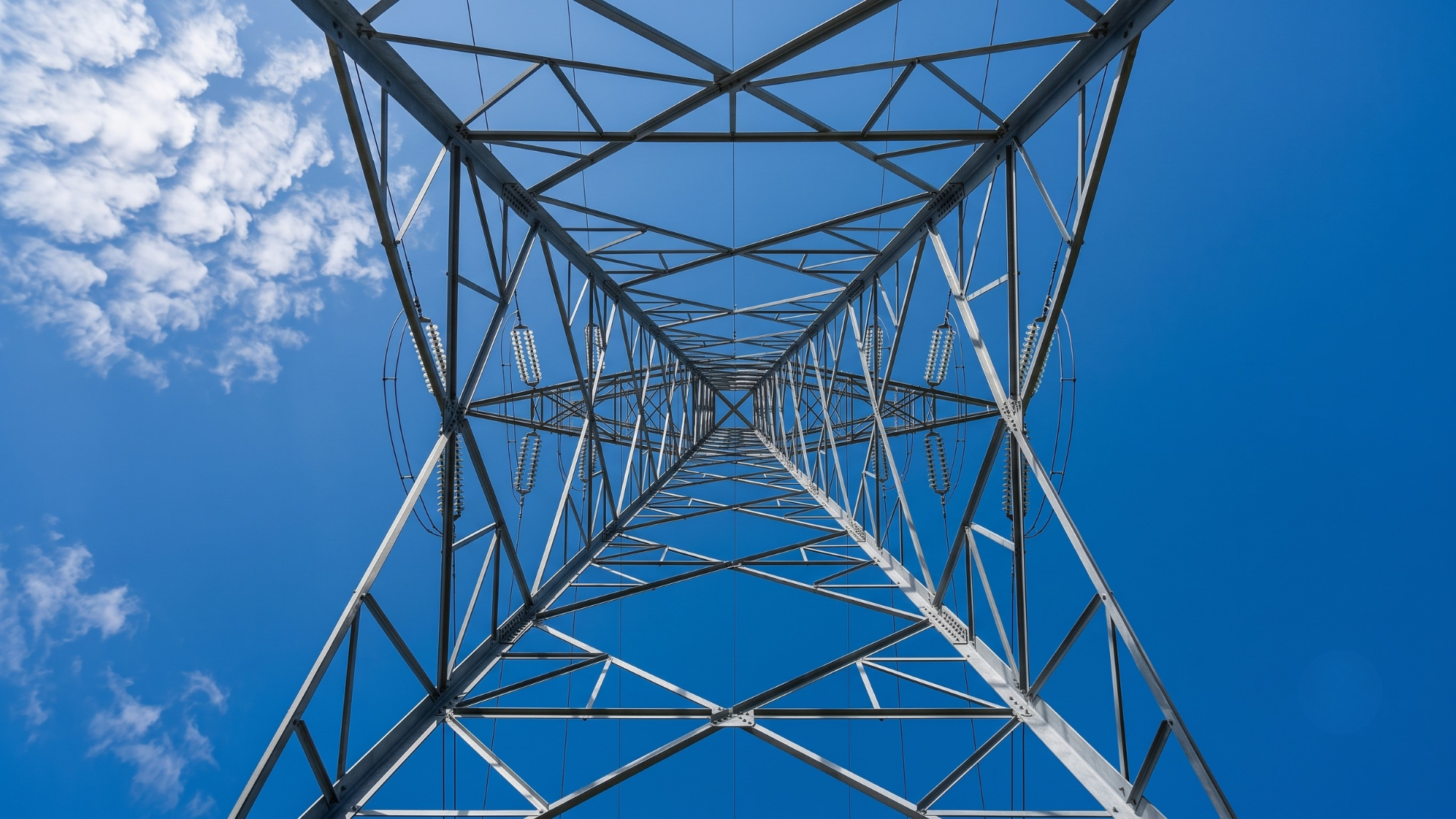
As the notice dispute over the central Permian Basin Reliability Plan line draws attention to Bell County, the westernmost leg of the same 765-kilovolt corridor is moving toward its own decision point. The Big Hill–Sand Lake project, filed by Oncor Electric Delivery and LCRA Transmission Services Corporation, is entering the window in which the commission is expected to choose a route, even as the question of whether the line is needed has been carved out and assigned to a different proceeding.
According to LCRA and Oncor project materials, the line would connect a new LCRA 765-kV Big Hill Substation, roughly 13 miles northeast of Eldorado in Schleicher County, to an expansion of Oncor’s existing Sand Lake Switch about six miles northeast of Pecos in Ward County.
Oncor filed the application on January 15, 2026, presenting alternative routes ranging from approximately 197 to 222 miles, with the segment planned for completion in the winter of 2030. LCRA’s published timeline anticipates a PUC route decision this summer, around July, though related reporting on the broader plan has pointed to decisions stretching toward September.
What separates this from a conventional routing case is a procedural step reported by the San Saba News & Star, drawing on updates from the intervenor group Friends of the San Saba River: the administrative law judges determined that their proposal for decision would not make a recommendation on need and would reserve that question for the PUC.
The case sits inside the larger Permian Basin Reliability Plan, which the Public Utility Commission approved in 2024 under House Bill 5066 to address rapid load growth in the oil-and-gas-rich Permian. Oncor and LCRA have argued in filings that the new lines are urgently needed to ensure reliable electric service to West Texas.
Oncor spokesperson Andrew Clark has said in prior statements that load in the region is growing faster than local generation, meaning the import lines are needed to maintain a reliable system even if more in-basin power is built. PUC staff have recommended the 765-kV design, citing a 2024 ERCOT study that found the higher voltage moves more power over longer distances with fewer losses than a 345-kV-only build.
Opponents have contested both the cost and the process. American Stewards of Liberty, a property-rights group backed by an amicus brief from more than 40 state lawmakers, has asked the commission to defer determining need across the 765-kV paths until the full review runs its course, arguing that regulators should weigh whether local generation could meet part of the reliability need before approving billions of dollars in new lines.
In the parallel Bell County case, several hundred landowners have separately alleged that they were not properly notified after route changes, a dispute that has drawn its own filings and could affect the schedule for the consolidated need finding.
For the Big Hill–Sand Lake corridor, the near-term question is narrower: which of the candidate routes across Schleicher, Crockett, Irion, Pecos, Reagan, Reeves, Tom Green, Upton, Crane, and Ward counties the commission will select, and when.
PUC spokesperson Rich Parsons has said state law requires applicants to submit multiple route combinations and that the commission makes the final call, with public input central to the process.